


Rising Diesel Costs Are Squeezing U.S. Truckers
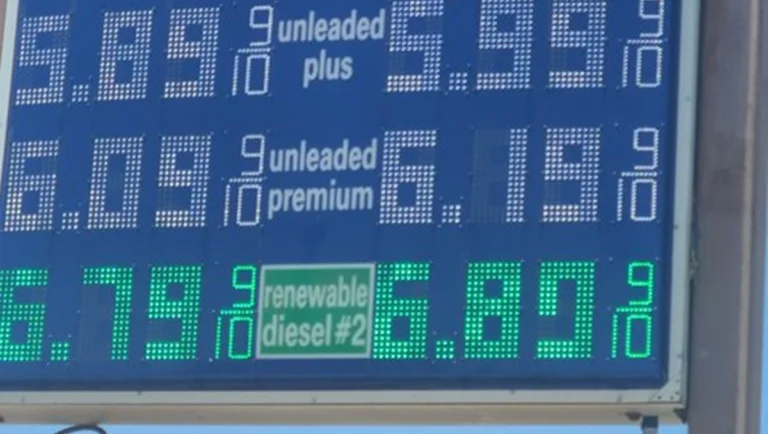
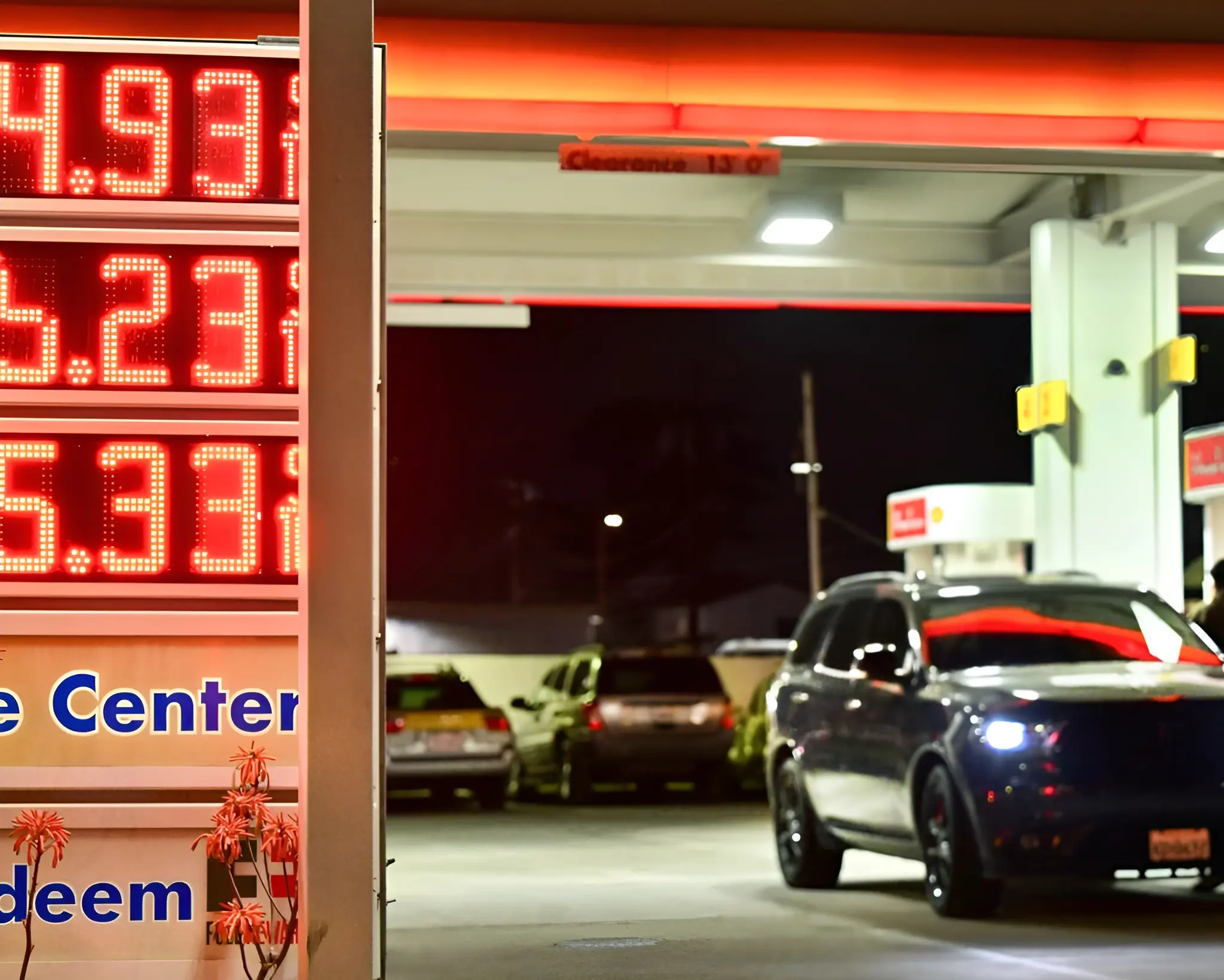
Fuel prices in California, April 20, 2026. X/ @cole90748
April 22, 2026 Hour: 7:55 am
🔗 Comparte este artículo
Fuel is one of trucking’s largest variable costs, and rises directly with miles driven.
Rising diesel prices are squeezing the U.S. trucking industry at a critical moment amid the U.S.-Iran confrontation, forcing independent drivers and large fleets alike to rethink routes, rates and even whether some loads are worth hauling.
RELATED:
Chair Nominee Warsh Pledges FED’s Independence
Diesel is the lifeblood of freight. When prices rise, trucking feels the shock first, and the rest of the economy soon follows. According to data from the American Automobile Association, the average diesel price in California was 7.53 U.S. dollars per gallon on Monday, while the national average stood at 5.53 dollars per gallon.
“With these diesel prices, we’re all in for a world of hurt,” independent truck operator T. Stromsted said at a truck stop in Los Angeles.
At a gas station in Monrovia, Los Angeles County, another truck driver who didn’t give his name said that filling up his rig used to cost about 700 dollars a little over two months ago, but now it exceeds 1,100 dollars. “It’s hard to make a run, but there’s no money in it. It’s all because of the war.”
Since the U.S.-Israeli war on Iran started at the end of February, the sharp rise in diesel prices has burdened more than 3.5 million truck drivers who transport over 70 percent of the nation’s freight.
In California, the largest economy in the U.S., where fuel prices already run above the national average due to stricter air quality regulations, the latest surge in diesel gas prices has been especially punishing.
“This is the worst I’ve seen nationwide since I’ve been here. The war in the Middle East is creating real hardship for our members, and that trickles down to everyone,” said Eric Sauer, chief of the California Trucking Association, adding feedback from members hit by the war-driven diesel price jumps of 50 percent to 60 percent over the past two months.
California’s diesel price hit a new high of 7.74 dollars per gallon on April 9. On March 2, the average was only 4.99 dollars per gallon, and it was around 4.60 dollars at the beginning of January. Over the past three months, it has increased by more than 60 percent.
Industry insiders noted that fuel is one of trucking’s largest variable costs, after labor and equipment, and rises directly with miles driven. A long-haul tractor can burn about 150 gallons on a 1,000-mile trip.
A dollar increase per gallon adds about 150 dollars to a single run, before accounting for empty, or “deadhead,” miles to reach the next load.
A March poll by DAT Freight & Analytics found that 18 percent of surveyed trucking firms had temporarily halted operations due to the fuel spike.
Sauer said that smaller operators face painful choices: turning down heavier loads, cutting miles, or parking trucks entirely until fuel prices ease.
Larger fleets have more tools at their disposal, but they are not immune, Sauer said, adding that big carriers can negotiate better fuel surcharges with shippers, secure bulk discounts, optimize fueling networks and use technology to reduce idling and improve fuel efficiency.
Many rely on fuel surcharge programs that adjust what shippers pay based on published diesel indices, typically pegged to the Energy Information Administration’s weekly average. However, those mechanisms often lag fast-moving markets.
“When fuel jumps in days, the surcharge goes up weeks later,” Sauer said. “That lag can turn a profit into a loss overnight, forcing some operators to take loans or cut back.”
California’s exposure is magnified by its outsized role in U.S. logistics. Diesel fuels most heavy-duty trucks moving goods through the state’s ports and a vast network of warehouses that supply markets all across the country.
The California Energy Commission notes that diesel is the state’s second-largest transportation fuel, used extensively by trucks, buses and off-road equipment, making price shocks difficult to avoid or contain.
The effects do not stop with trucking companies. “When transportation costs rise, they show up everywhere,” Sauer said. Higher diesel prices feed into freight bids, parcel surcharges and, ultimately, store shelf prices. “Higher prices for essentials like diesel hit everyone hard.”
Some trucking executives warned the broader economic impact could deepen if prices remain elevated.
“We’re going to see more bankruptcies among small, family-run carriers who simply can’t keep up,” said Tim Pollock, an executive with CPS Express Trucking. “When truckers pull back, consumers feel it.”
The industry’s message, Pollock said, is simple and consistent: “What affects diesel affects the economy and, like our truckers, consumers are all going to feel the pinch.”
teleSUR/ JF
Source: Xinhua